
Forestation and Restoration
Problem

Climate change is the biggest threat to our planet. Deforestation is the second most significant cause of climate change, the biggest being the increasing use of fossil fuels. According to the World Bank, since 2016, an average of 108,000 square miles of forest have been cut down every year. 46 percent of the world’s trees have been felled and every 2 seconds, a forest the size of a football field is destroyed. This is the combined effect of logging, industrial agriculture, and grassland creation to meet the world’s appetite for red meat.
Without trees, we will no longer have clean air to breathe. The tree canopy within cities has become a growing concern worldwide as urbanization has led to land-use conversion and loss of urban forests. These challenges manifest as hotter and longer summers, wildfires, severe weather events, increased heat waves, and more severe droughts necessitating urgent action.
Solution
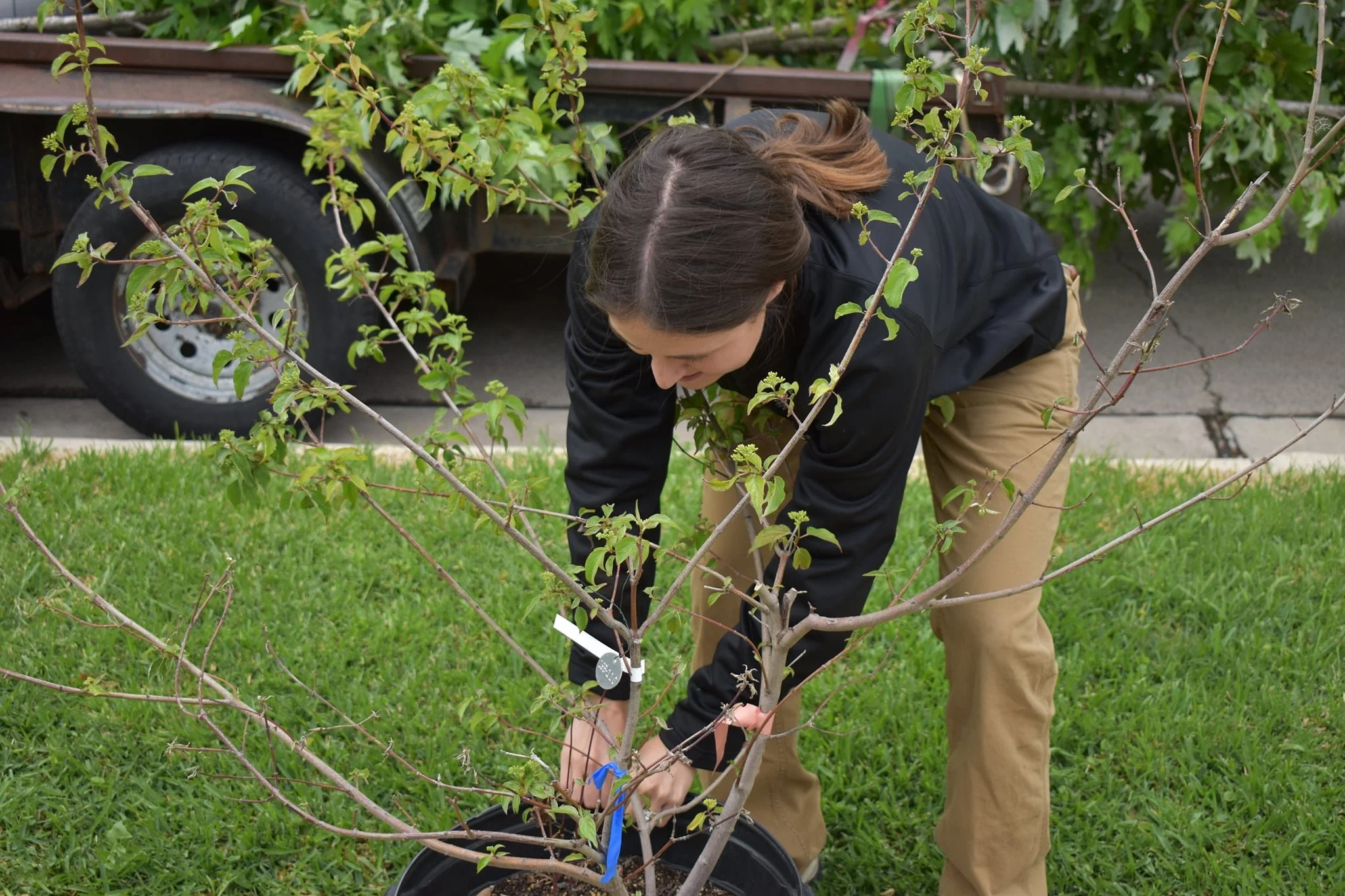
Planting trees plays a pivotal role in countering the effects of heat islands as they absorb carbon dioxide, reduce greenhouse gas concentrations, and provide cooling shade. Tree planting reduces harmful emissions from automobiles and factories to maintain cleaner air, water and soil conditions. Green spaces provide ecological and beautification benefits and support the physical and mental well-being of our communities.
Once the root system of a tree becomes fully established (roughly 1-3 years), it requires no maintenance while it continues its constant planet-saving activities for 50 to thousands of years depending on the species. They are stalwart foot soldiers, and the more of them we have, the better.
Native trees and plants are crucial for sustainability because they're adapted to local climates, requiring less water/fertilizer, reducing maintenance, and providing essential food/habitat for local wildlife, boosting biodiversity, improving soil, filtering water, mitigating urban heat, and sequestering carbon, making landscapes resilient and healthier for people and the planet.
Native Trees and Plants

Scarlet Sage (Salvia Coccinea)
Winter Care Instructions (December–February)
Where to keep it: Ideally, bring it indoors (garage, porch, sunroom) when temperatures drop below 35°F. If left outside, place against a south-facing wall, under a covered area.
Protection: Add 2–3 inches of mulch on the soil surface. Cover plant with frost cloth, old blankets or sheets on nights below 28°F. Wrap pot base with burlap on nights below 20°F.
Watering: Water lightly every 10–14 days. Keep soil just barely moist — never soggy.
Appearance in winter: It may die back partially or completely and will return in spring. Plant in the ground after the freeze, in spring.
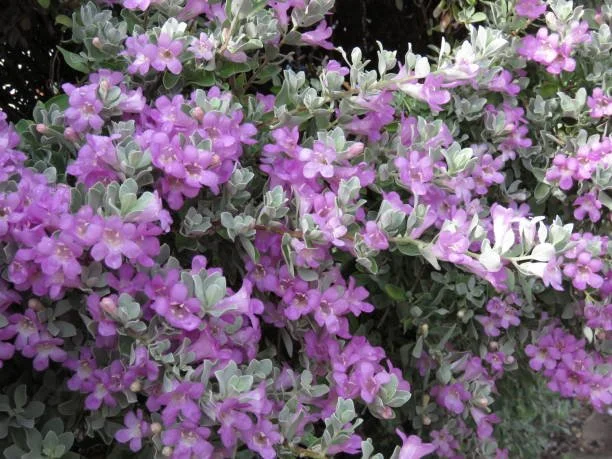
Texas Sage (Leucophyllum)
Winter Care Instructions (December–February)
Where to keep it: Leave it outdoors in a protected location on the porch or against a warm wall. Place it above the ground (use a pot stand). This plant is hardy but can suffer root damage if the pot freezes.
Protection: Add 2–3 inches of mulch on the soil surface. Cover plant with frost cloth, old blankets or sheets on nights below 28°F. Wrap pot base with burlap on nights below 20°F.
Watering: Water lightly every 3–4 weeks only if soil is dry.
Appearance in winter: Stays mostly evergreen. Some leaf drop is normal in cold spells. Plant in the ground after the freeze, in spring.
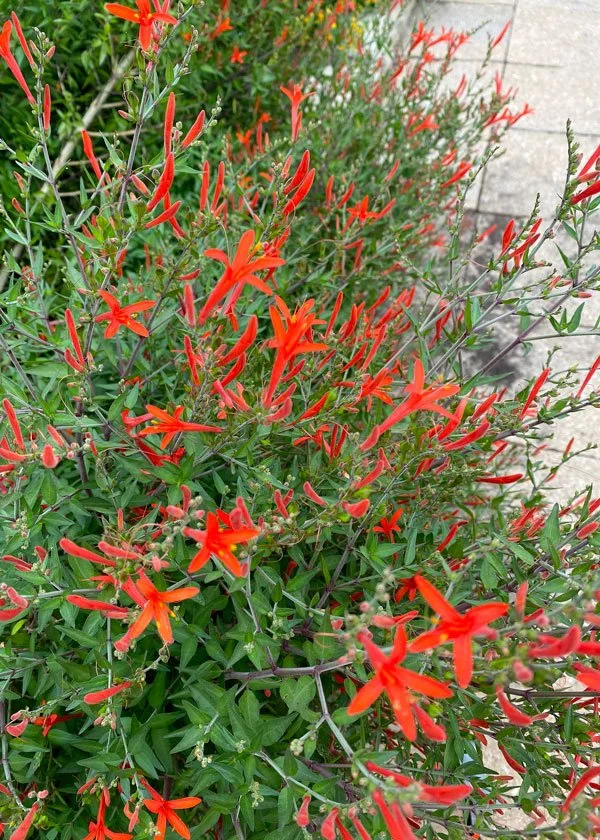
Flame Acanthus (Anisacanthus)
Winter Care Instructions (December–February)
Where to keep it: Leave it outdoors, but provide wind protection. Group pots together for warmth.
Protection: Add 2–3 inches of mulch on the soil surface. Cover plant with frost cloth, old blankets or sheets on nights below 28°F. Wrap pot base with burlap on nights below 20°F.
Watering: Water lightly every 2–3 weeks. Moist soil holds heat better than dry soil before a freeze.
Appearance in winter: Usually dies back on top but returns strongly in spring. Plant in the ground after the freeze, in spring.