
One Earth One Chance
Restore a clean, green and sustainable planet
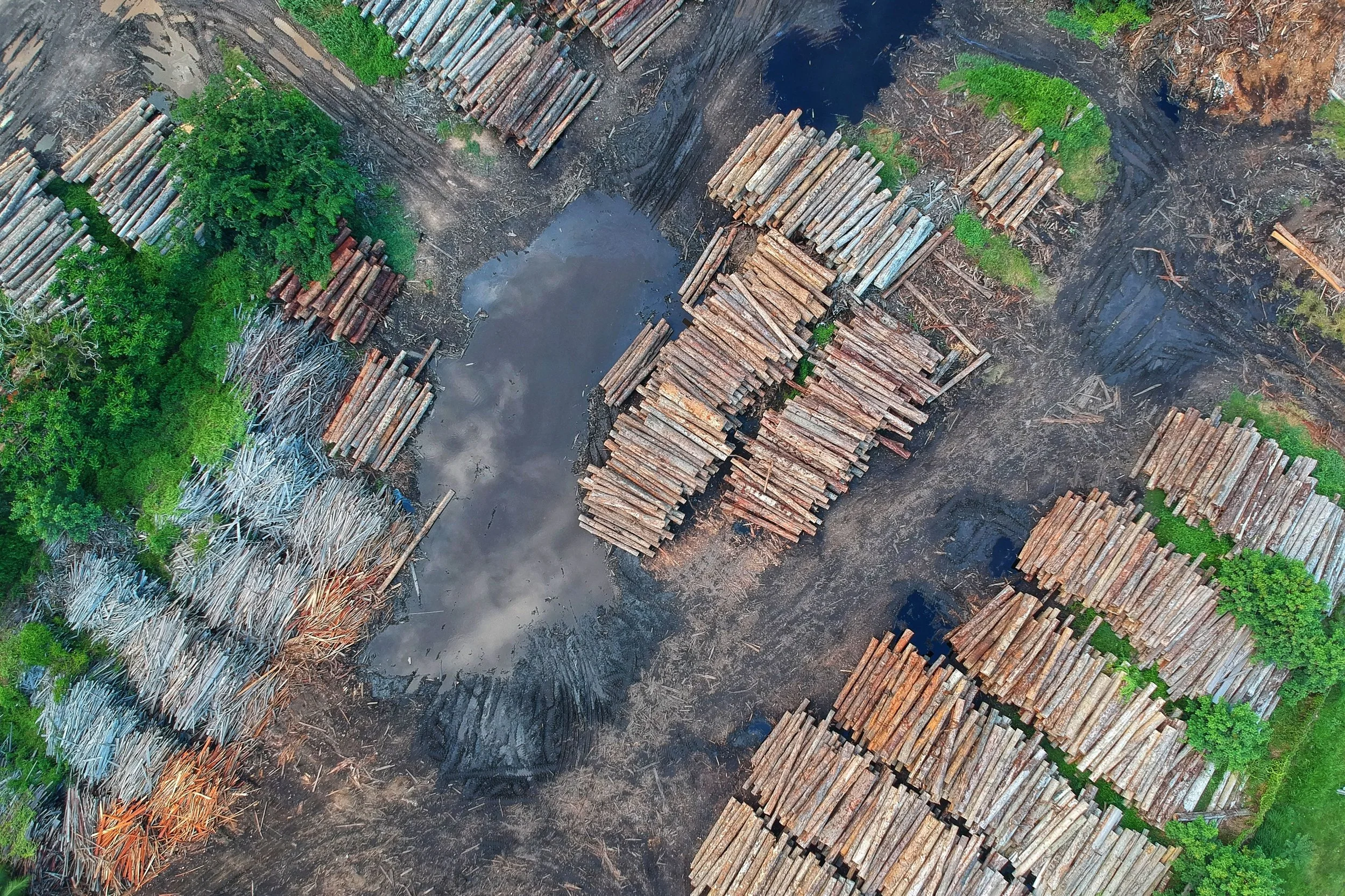
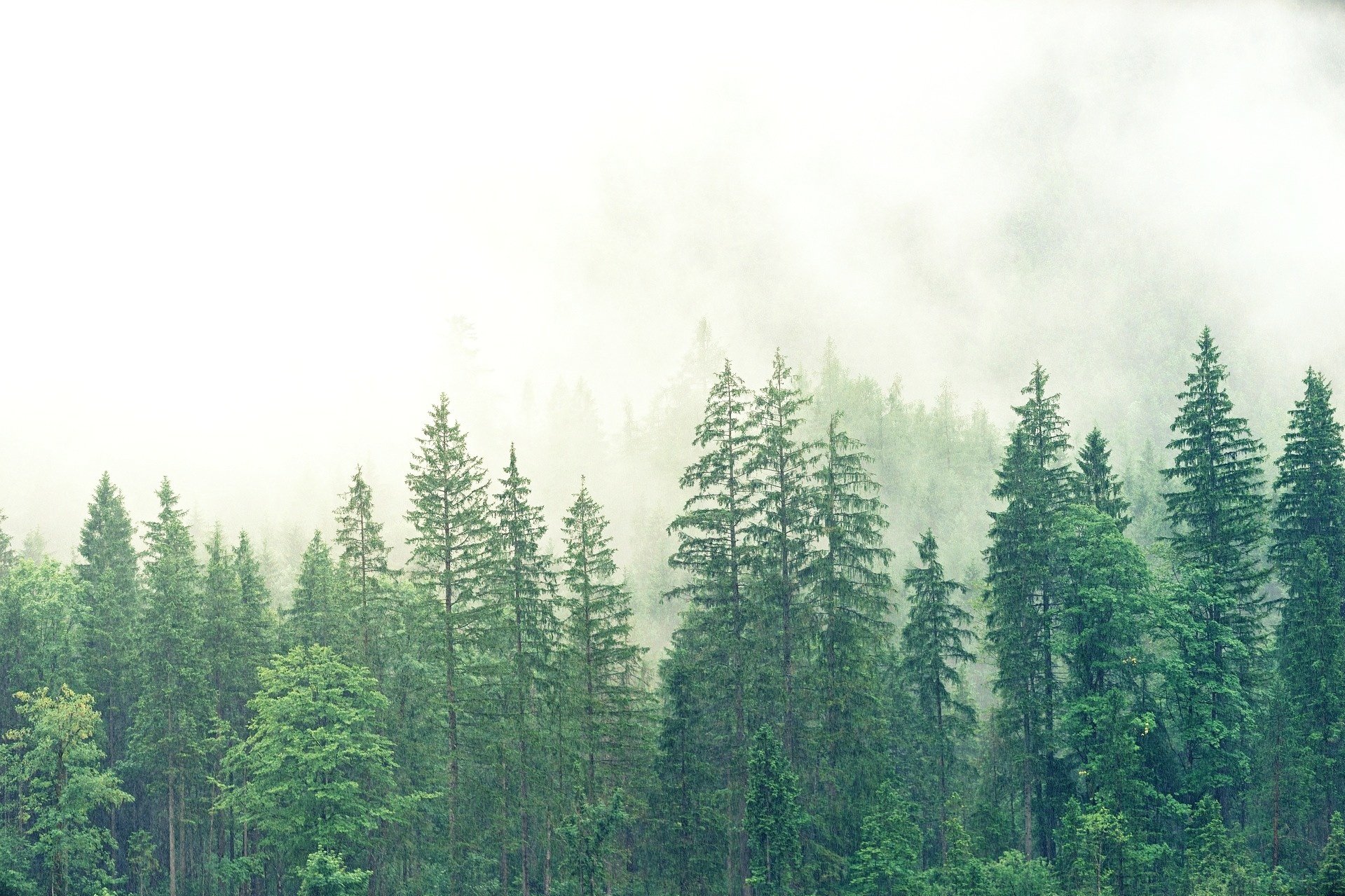
Climate change caused by greenhouse gas emissions from human activity - use of fossil fuels, deforestation, agriculture, industrialization - is a threat multiplier. There is deforestation at the rate of 18 football fields per minute, water scarcity looming for half of the world's population, and pollution where 91% of plastic made is never recycled. Many scientists agree that species loss rates far exceed natural levels, indicating that a sixth mass extinction event is already underway. Unlike previous mass extinctions caused by natural phenomena (like volcanic activity), the current one is driven by human activities. A 2018 study (PNAS) showed that humans and livestock account for roughly 96% of total mammal biomass, with wild mammals making up only 4%. As ecosystems lose biodiversity (habitats and species), they become less resilient (e.g. disasters, disease, poverty, conflict) and capable of providing essential services and resources (like clean water, air, and fertile soil) that humanity needs for survival.
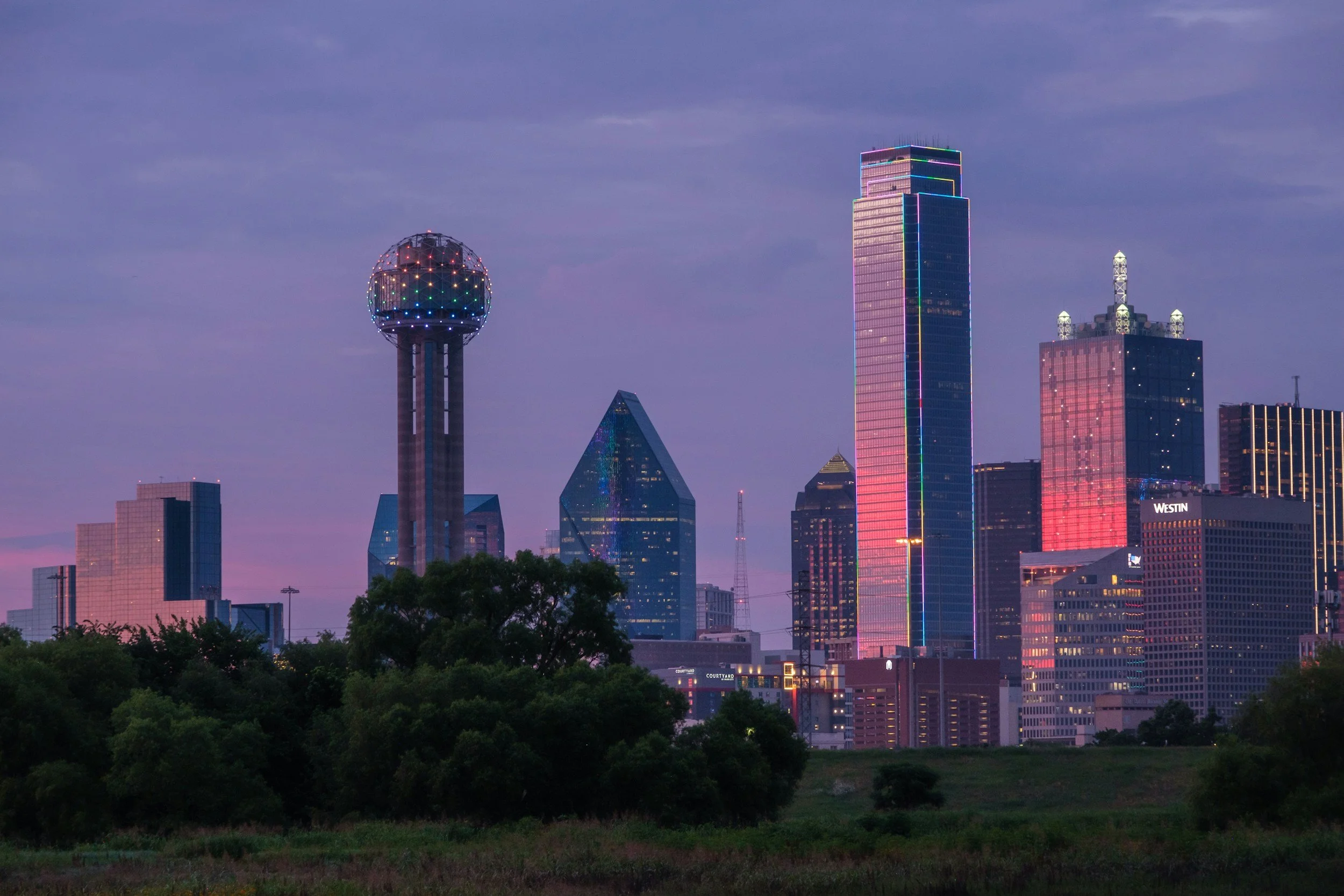
Disasters are more frequent, long lasting and severe - from devastating floods and soil erosion (Memorial Day 2015), drought and wildfires (Bastrop 2011), heat and cold waves (Uri 2021), and violent storms (Hurricane Harvey 2017), leading to deaths (thousands), economic costs (trillions in the U.S.), and displacement. Consistent years that exceed 1.5C above pre-industrial levels (Paris Agreement) is the threshold for catastrophic impacts like widespread coral reef loss, sea-level rise, forest fires, and melting of ice. 2024 was the hottest year worldwide and the first year at 1.5C above pre-industrial levels. DFW is the 3rd U.S. city with growing urban heat islands and disadvantaged areas are +12ºF hotter than other areas.
A Silent Crisis
Humanity has a limited opportunity to protect our only home from the climate crisis. To avoid the worst impacts of climate change, global emissions must be cut by almost half by 2030 and reach net-zero by 2050. While the Earth as a planet will survive, this is one of the most serious threats to our civilization because it is irreversible on a human timescale (recovery could take millions of years). There is an economic impact as in the last decade - cooling energy costs for buildings went up 4% a year, power outages by 100%, electricity prices by 18% in 2026 and home insurance premiums (and deductibles) grew 8.7% faster than inflation rate. Some of those least responsible for our changing climate are the most vulnerable to the suffering and disruptions that could ensue. Environmental, social, and economic issues are interconnected and we need to take responsibility to reduce our carbon footprint and allow the environment to restore itself.
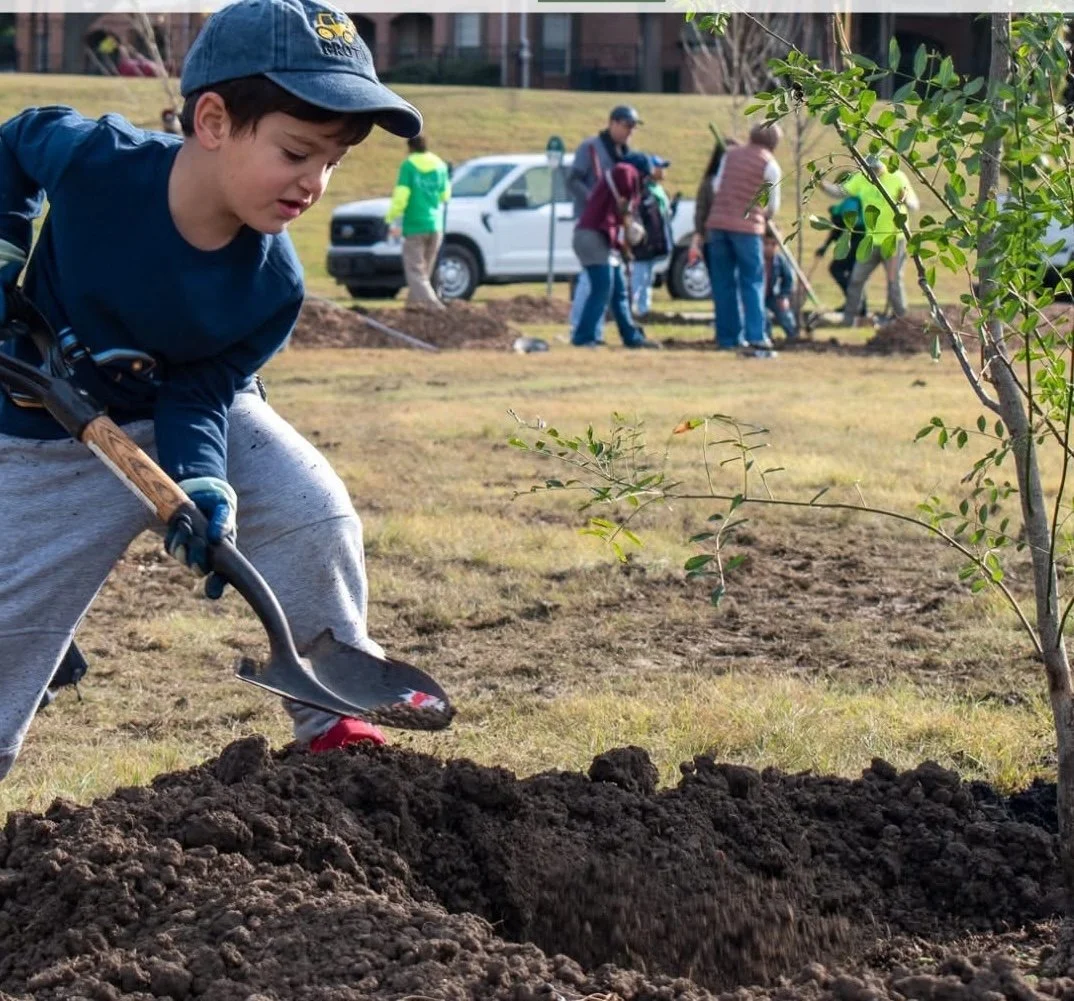
To address this, One Earth One Chance, a Dallas-Fort Worth-based environmental nonprofit focuses on grassroots climate action by advancing environmental stewardship, urban forestation, habitat restoration, park cleanups, and sustainability education. Protecting forests and planting new trees provides a great return on investment, allowing CO2 to be absorbed, filtering pollutants from the atmosphere and conserving energy and water. We engage high school and college students and community volunteers seeking sustainability education, service hours and green careers. Our focus is on underserved neighborhoods facing disproportionate urban heat and environmental impacts. It is important to meet our needs today without limiting the ability of future generations to meet theirs.
Environmental Action
Grow Together: Plant native trees and vegetation to cool spaces, reduce pollutants and save rainwater and soil health.
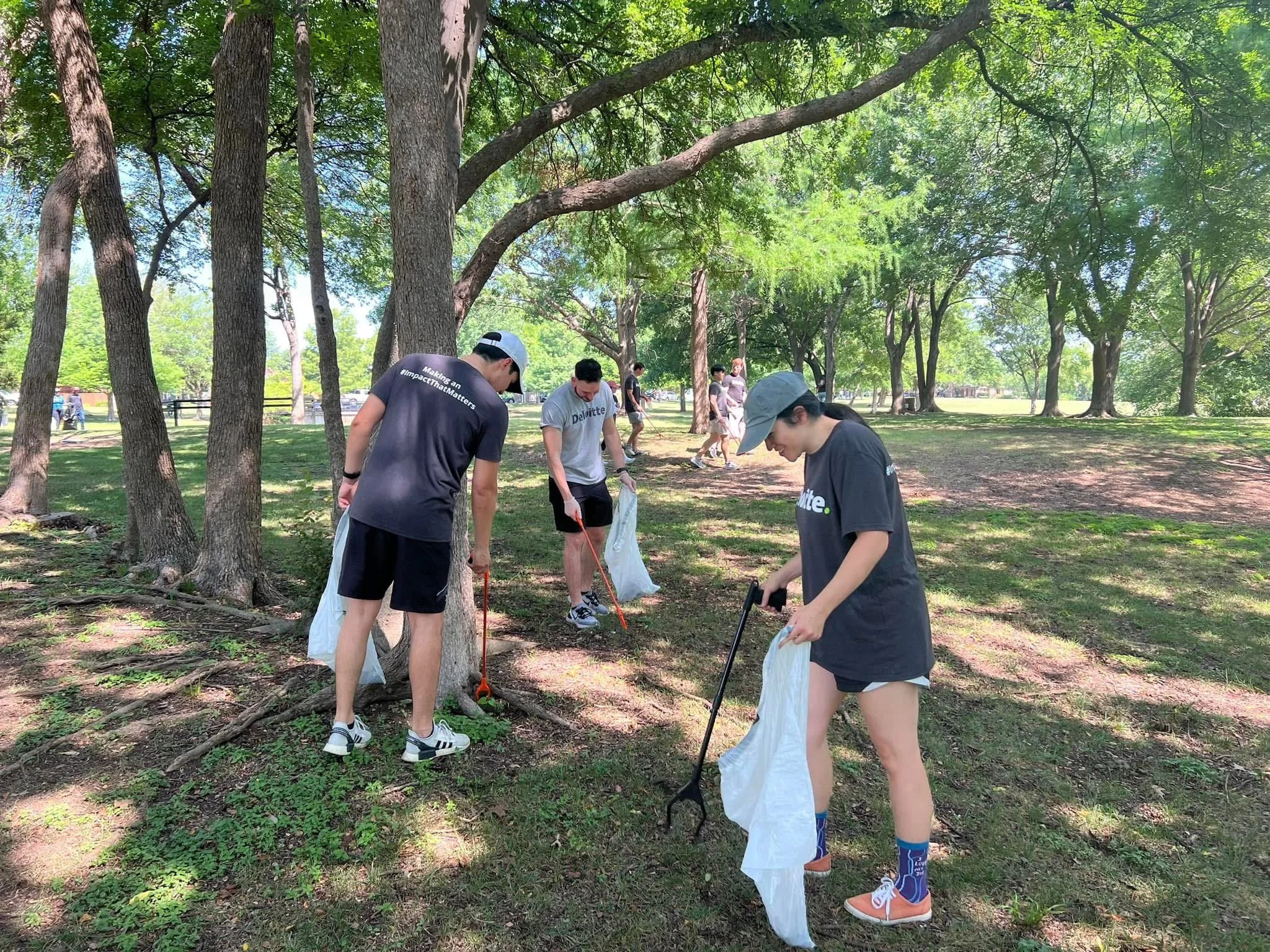
Second Act and Cleanup: Remove trash and invasive plants to restore habitats. Promote zero waste through upcycling, recycling and composting.
Artreach and Partner Connect: Host fundraisers, seek grants, and promote eco products and services. Partner with organizations to amplify impact.
Green Ambassador and Practitioner: Host certification workshops to develop net zero thinking and prepare for careers and entrepreneurship.
Green Citizen and Ecopedia: Host webinars/ podcasts and publish blogs/ reels to drive micro-learning. Use technology to drive a circular economy.