

Grow Together and Cleanup
Plant native trees and vegetation to cool spaces, reduce pollutants, save rain runoff, and improve soil.
Our urban forestation program aims to address critical environmental challenges and expand tree canopy coverage to serve the Texas region. We strategically plant trees and shrubs to combat tree canopy loss, air pollution, rainwater runoff and the urban heat island effect. We prioritize economically disadvantaged areas and native species that provide a habitat for animals, birds and pollinators and reduce water consumption. Our focus is on bringing the forest to us, so we select urban locations, areas of tree canopy inequity, and heat islands, with the intent to cool schools and neighborhoods.
Native trees and plants are crucial for sustainability because they're adapted to local climates, requiring less water and fertilizer, reducing maintenance, and providing essential food and habitat for local wildlife, boosting biodiversity, improving soil, filtering water, and mitigating urban heat, making landscapes resilient and healthier.
Volunteers help protect our parks and wildlife by participating in hands-on urban forestation and prairie/wetland restoration projects. This is part of our efforts to have the community engage in volunteerism and eco-stewardship and promote climate resilience in Texas.
We are committed to restoring our ecosystem and keeping our local environments clean, by focusing on native habitats and smart water conservation.
Grow Together
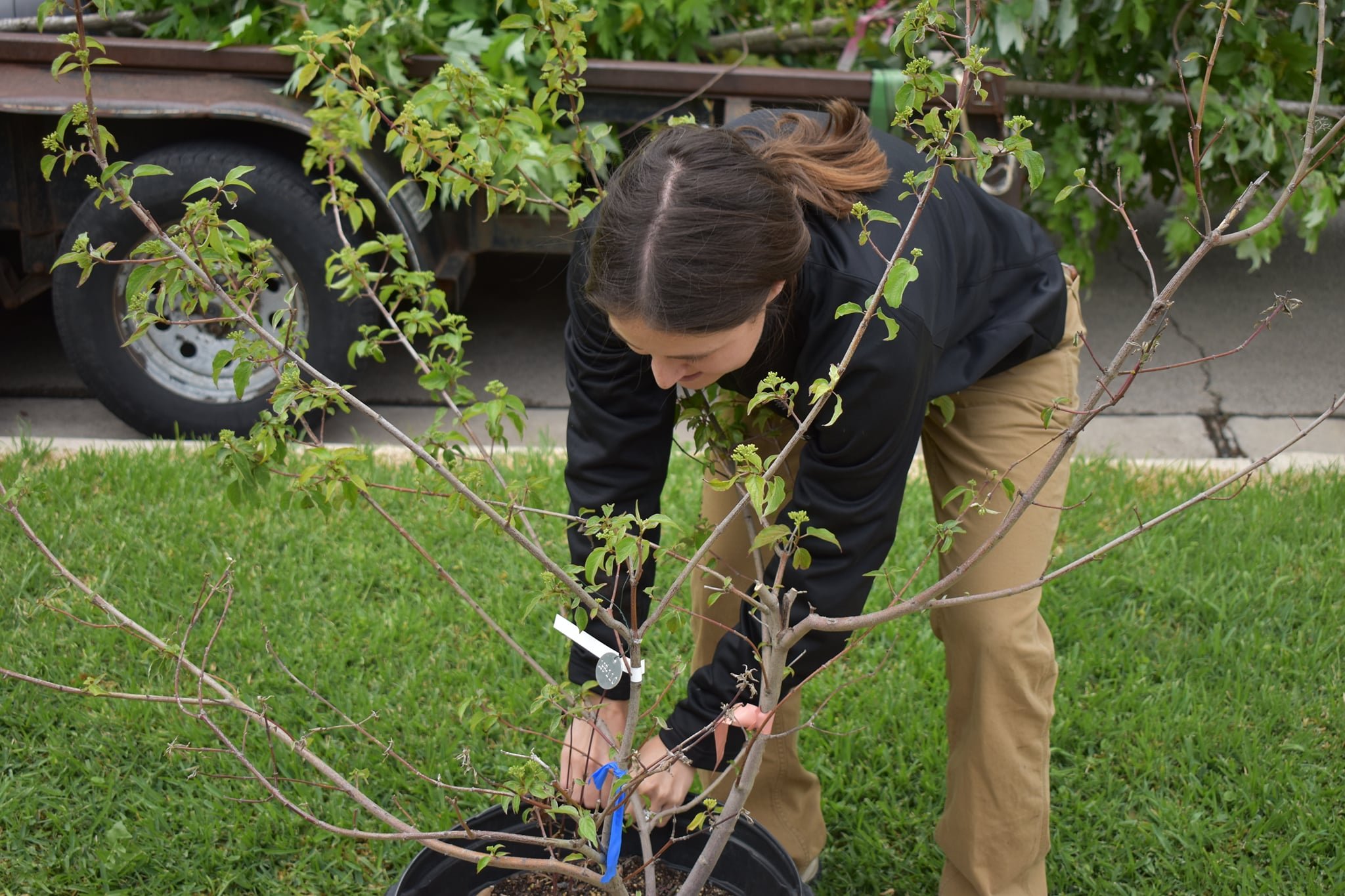
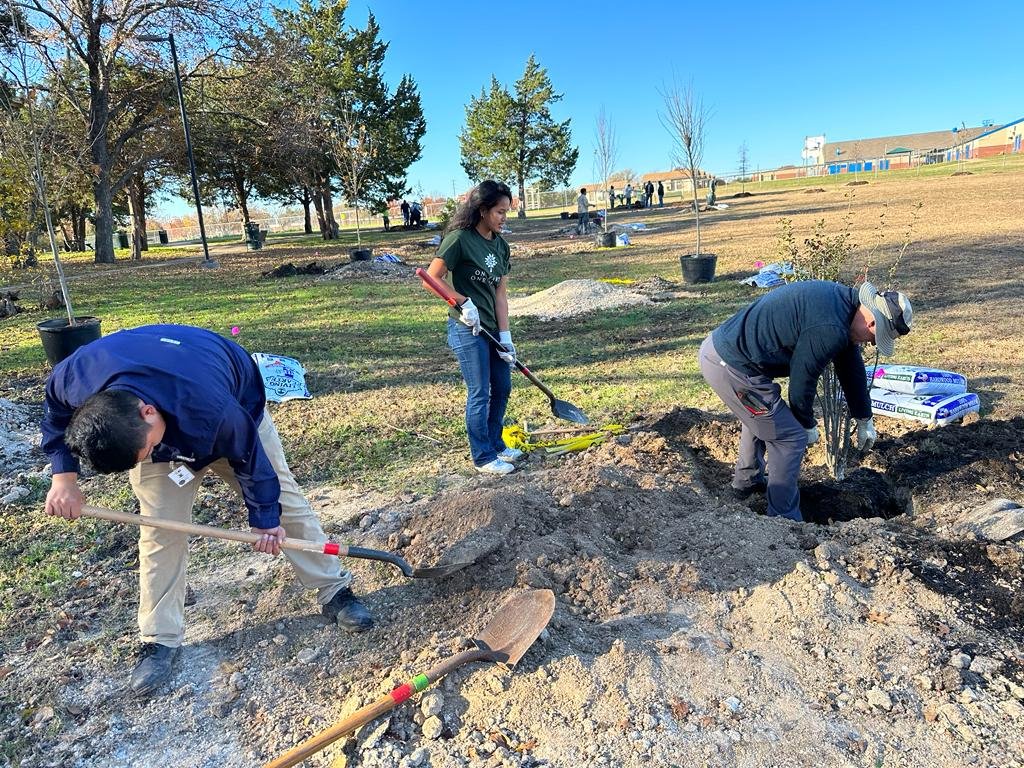
Climate change is the biggest threat to our planet. Deforestation is the second most significant cause of climate change, the biggest being the increasing use of fossil fuels. According to the World Bank, since 2016, an average of 108,000 square miles of forest have been cut down every year. 46 percent of the world’s trees have been felled and every 2 seconds, a forest the size of a football field is destroyed. This is the combined effect of logging, industrial agriculture, and grassland creation to meet the world’s appetite for red meat.
Without trees, we will no longer have clean air to breathe. The tree canopy within cities has become a growing concern worldwide as urbanization has led to land-use conversion and loss of urban forests. These challenges manifest as hotter and longer summers, wildfires, severe weather events, increased heat waves, and more severe droughts necessitating urgent action.
Trees counter the phenomenon of heat islands caused by the expanses of concrete and asphalt in urban areas. Planting trees helps to sequester carbon dioxide via photosynthesis, reduce greenhouse gas concentrations, provide cooling shade and modulate temperatures, improve air quality and soil health, and conserve water. Tree planting reduces harmful emissions from automobiles and factories to maintain cleaner air, water and soil conditions. Green spaces provide ecological and beautification benefits, enhance property values and support the physical and mental well-being of our communities.
We plant drought-tolerant native trees (5-45 gallon size), proven to do well in North Texas, as part of our urban forestation and prairie and wetland restoration initiatives, in and near parks, creeks, schools, and streets. Once the root system becomes fully established (roughly 1-3 years), it requires no maintenance while it continues its constant planet-saving activities for 50 to thousands of years depending on the species. They are stalwart foot soldiers, and the more of them we have, the better.
Community Cleanup
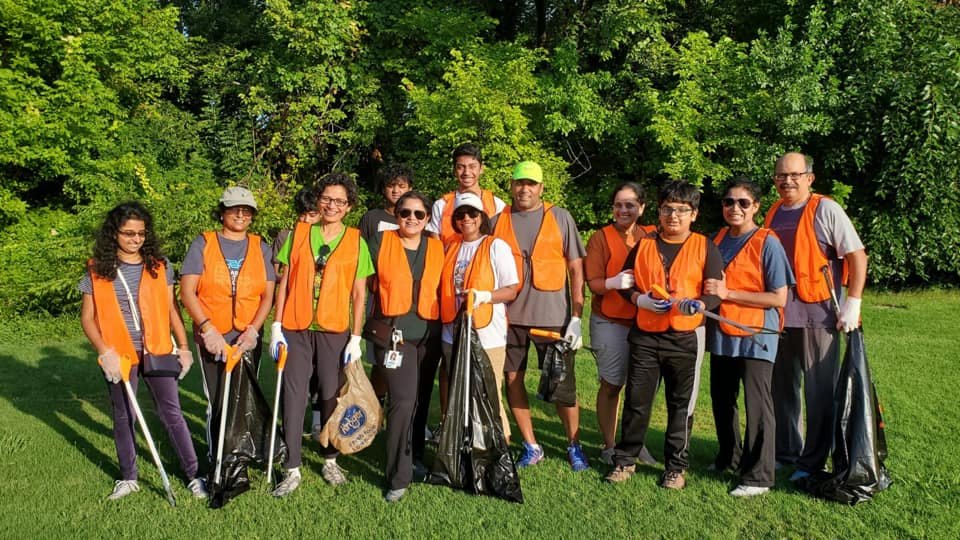
Litter left scattering our public spaces inevitably washes into streams, lakes, and oceans, remaining trapped in aquatic ecosystems for decades. Once there, decomposing garbage continually pollutes our air, water, and soil. To fight plastic pollution, we champion the Scandinavian phenomenon known as "Plalking"—a dynamic blend of walking and picking up litter. By joining our regular community cleanups, volunteers help keep Texas public parks beautiful, defend native wildlife from hazardous waste, and cultivate a resilient environment. We will leverage Adopt a Park agreements with key cities and submit reports to Keep Texas Beautiful.
Habitat Restoration
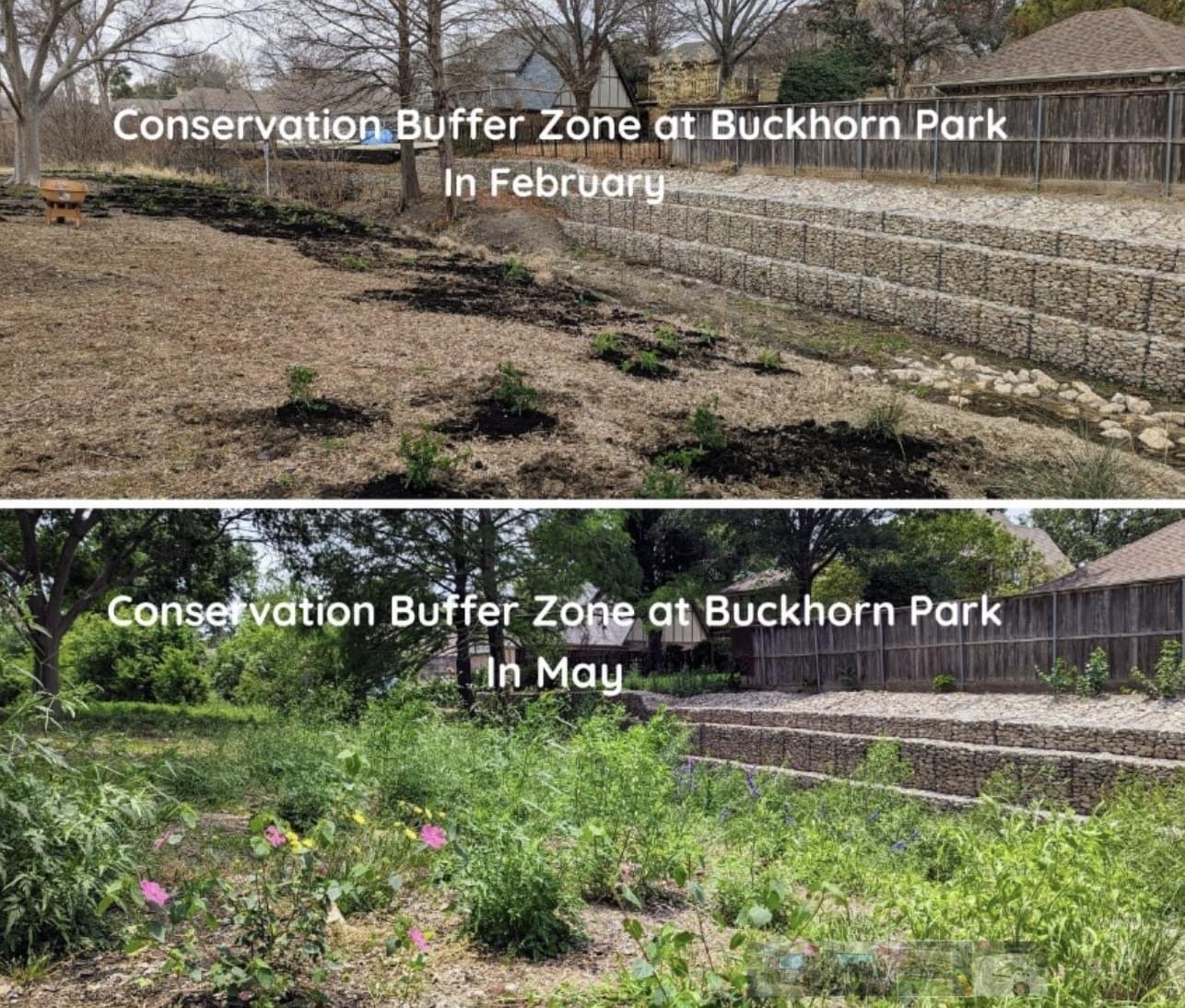
Our habitat restoration initiatives prioritize the removal of invasive species within vital prairie and wetland areas. We utilize physical techniques, such as hand-pulling and digging out roots, to remove resilient weeds. To stabilize the surrounding soil and minimize erosion, we strategically install wattles. We introduce local native plants (quart to 2 gallon size, seedballs, and plugs), designed to reclaim the landscape, naturally choke out returning weeds, attract pollinators, and directly combat local biodiversity loss.
Beyond reviving native flora, our restoration projects feature water conservation. We build sustainable ecosystems through the creation of organic herb and vegetable gardens, rainwater harvesters, and rain gardens. Each installation includes clear educational signage to teach visitors the sustainability features.